Waste Not, Penalized Much: The Growing Environmental Liability of Improper Lubricant Disposal at US Mining Sites
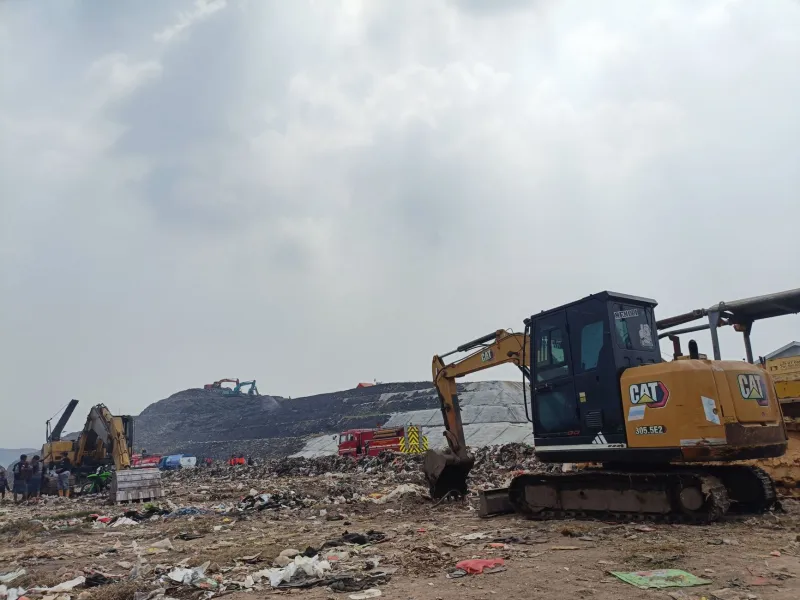
For most mine operators, lubricants are treated as a means to an end — something that keeps equipment running, reduces friction, and prevents costly breakdowns. But when the focus narrows entirely to application and ignores disposal, the financial and legal consequences can be severe. Across the United States, mining sites are increasingly finding themselves in the crosshairs of state and federal regulators over how they handle used oil, spent greases, and contaminated hydraulic fluids.
The problem is not new. But as environmental enforcement intensifies and public scrutiny of extractive industries deepens, what was once an overlooked operational footnote has become a front-line liability issue. Mine operators who fail to treat lubricant waste as a regulated substance — not simply a byproduct — are exposing their organizations to penalties, remediation obligations, and reputational damage that can take years to resolve.
What the Law Actually Says — and What Many Sites Are Getting Wrong
Under the Resource Conservation and Recovery Act (RCRA), used oil generated at industrial sites, including mining operations, is subject to specific handling, storage, and disposal requirements. The EPA's used oil management standards under 40 CFR Part 279 are detailed and unambiguous: used oil must be stored in labeled, non-leaking containers; it cannot be mixed with hazardous waste unless the resulting mixture is managed as hazardous waste; and it must either be recycled through a registered used oil processor or disposed of through an approved method.
Despite the clarity of these rules, violations are common. On-site burning of used oil without proper permits, disposal into unlined pits, commingling with stormwater runoff, and inadequate secondary containment around storage drums are among the most frequently cited infractions during site inspections. In remote mining environments — particularly those in the western United States where regulatory oversight may feel distant — these practices can persist for years before enforcement catches up.
When it does, the consequences are not trivial. Civil penalties under RCRA can reach $70,117 per day per violation under current EPA guidelines. Add potential state-level fines, mandatory third-party audits, and the cost of remediation, and a single non-compliance incident can easily run into the hundreds of thousands of dollars.
The Soil Contamination Problem No One Wants to Talk About
Beyond regulatory fines, improper lubricant disposal carries a longer-term liability that many operators underestimate: soil and groundwater contamination. Used lubricating oil contains a range of harmful compounds, including polycyclic aromatic hydrocarbons (PAHs), heavy metals such as lead and zinc, and chlorinated solvents. When these substances seep into the ground — whether through leaking storage containers, uncontrolled spills, or deliberate disposal — they can migrate into aquifers and persist in soil for decades.
The cleanup costs associated with petroleum-contaminated sites are staggering. According to EPA estimates, remediation of a moderately contaminated industrial site can range from $500,000 to well over $5 million depending on the depth of penetration, the proximity to water sources, and the remediation technology required. For mining companies that may already be managing legacy environmental obligations, adding lubricant-related contamination to the liability ledger is a risk no financial officer should be willing to accept.
Perhaps more damaging in the long run is the reputational exposure. In an era when ESG (Environmental, Social, and Governance) performance is increasingly scrutinized by investors, insurers, and community stakeholders, a contamination incident tied to something as manageable as lubricant disposal can undermine years of goodwill and complicate future permitting processes.
Building a Disposal Protocol That Actually Works
The good news is that managing lubricant waste responsibly does not require extraordinary resources — it requires deliberate process design. Effective disposal protocols begin with accurate waste characterization: operators need to know whether their used oils qualify as hazardous waste, which depends on the original lubricant formulation and what contaminants may have been introduced during use.
From there, a compliant program typically includes the following elements:
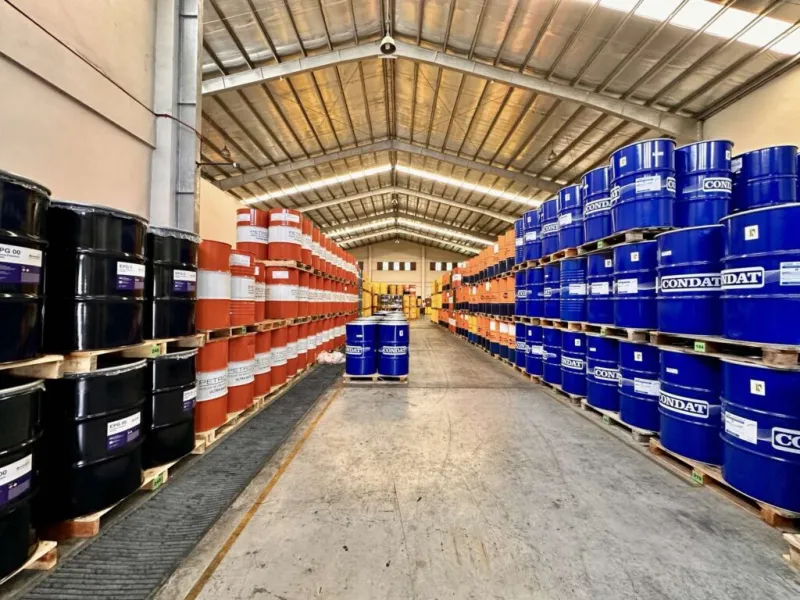
- Segregated, labeled storage for different categories of used lubricants, preventing cross-contamination that can complicate recycling or disposal options.
- Secondary containment structures around all storage areas to capture leaks and spills before they reach the ground.
- Documented chain of custody for all used oil transferred to a third-party recycler or processor, including manifests and transporter certifications.
- Regular internal audits to verify that field personnel are following established procedures, not improvising.
- Staff training that connects disposal practices to the legal and financial consequences of non-compliance — making the stakes tangible for the people handling the materials.
Mining operations in states with more stringent environmental regulations — California, Colorado, and Nevada among them — may face additional requirements beyond the federal baseline. Consulting with an environmental compliance specialist familiar with state-specific rules is a worthwhile investment before any protocol is finalized.
The Case for Biodegradable Lubricants: Reducing Risk at the Source
One of the most practical — and still underutilized — strategies for reducing lubricant disposal liability is to change what goes into the equipment in the first place. Biodegradable lubricants, formulated from synthetic esters or vegetable-based base oils, offer a compelling risk-reduction profile for operations in environmentally sensitive areas or those working to strengthen their ESG standing.
These products are engineered to break down more rapidly and completely in the environment than conventional mineral oil-based lubricants, dramatically reducing the persistence and toxicity of any accidental release. Many biodegradable formulations also meet or exceed the performance benchmarks of their conventional counterparts, making the transition operationally viable rather than merely aspirational.
At Konya Madeni Yağ, we have observed growing interest from US mining customers in biodegradable hydraulic fluids and gear oils, particularly for equipment operating near waterways, in areas subject to stormwater permits, or on sites with active reclamation obligations. Turkish lubricant manufacturing — operating under rigorous EU-aligned environmental and quality standards — has developed sophisticated biodegradable product lines that are increasingly well-suited to the demanding conditions of North American mining environments.
Adopting these formulations does not eliminate the need for proper disposal protocols. But it does meaningfully reduce the environmental consequence of the inevitable spill, the occasional leak, and the residual contamination that comes with operating heavy equipment in the field.
Disposal as Strategy, Not Afterthought
The mining industry has made significant strides in recent years on issues ranging from dust suppression to water recycling to energy efficiency. Lubricant waste management deserves the same level of strategic attention. The regulatory framework is clear, the financial exposures are substantial, and the tools to manage the risk — from structured disposal programs to biodegradable product alternatives — are readily available.
What is often missing is organizational will: the decision to treat used lubricant not as a disposal problem to be minimized in cost, but as a compliance obligation to be managed with the same rigor applied to other regulated waste streams.
For US mine operators navigating an increasingly demanding environmental landscape, that shift in perspective may be one of the most cost-effective decisions available. The liability of getting it wrong is simply too large — and too avoidable — to ignore.