Lubricant Neglect and the Environmental Liability It Creates for American Mining Sites

Photo: Infrogmation of New Orleans, CC BY-SA 4.0, via Wikimedia Commons
When mining operators calculate the risks associated with their lubricant programs, the analysis typically centers on equipment performance: wear rates, drain intervals, component lifespan. What receives far less systematic attention is the environmental liability that accumulates when lubrication practices fall short—and the regulatory and financial consequences that follow.
Across the United States, a pattern has emerged in EPA enforcement records and state environmental agency reports: a disproportionate share of contamination incidents at active mining sites trace back, at least in part, to lubricant-related failures. Hydraulic fluid leaks, gear oil seepage, and grease accumulation around drainage pathways are not dramatic events. They tend to develop gradually, which is precisely why they are so frequently underestimated until a regulatory inspector arrives on site.
How Lubricant Failures Become Environmental Events
The pathway from a failing seal to a soil contamination finding is more direct than most operators anticipate. Heavy equipment operating in the field—excavators, haul trucks, drilling rigs, conveyor drives—contains dozens of lubrication points, each of which represents a potential release pathway if the lubricant degrades prematurely or if component wear accelerates beyond normal parameters.
Mineral-based lubricants that have exceeded their service life become chemically unstable. Oxidation byproducts accumulate, viscosity falls outside specification, and the lubricant's ability to maintain adequate film strength deteriorates. Under these conditions, seals experience higher operating temperatures and pressures, accelerating their degradation. The result is micro-leakage that can go undetected across hundreds of operating hours—until soil sampling reveals hydrocarbon concentrations that trigger a mandatory response.
Low-quality lubricants compound this risk. Products formulated with inferior base stocks or inadequate additive packages may meet minimum viscosity specifications on paper while failing to deliver the protective performance those numbers imply. Operations that select lubricants primarily on purchase price, without evaluating base stock quality or additive chemistry, are effectively accepting a higher probability of premature component wear and the seal failures that accompany it.
The Regulatory Landscape US Operators Are Navigating
The Clean Water Act, the Resource Conservation and Recovery Act, and a growing body of state-level environmental regulations collectively create a complex compliance environment for mining operations. Petroleum-based lubricants and hydraulic fluids are classified as hazardous substances under several of these frameworks, meaning that releases—even small ones—can trigger reporting obligations and remediation requirements.
EPA enforcement data from recent years reflects increased scrutiny of lubricant-related contamination at extraction sites. Violations have ranged from failure to maintain secondary containment around lubricant storage areas to documented hydrocarbon contamination in surface runoff. Penalties in individual cases have reached into the hundreds of thousands of dollars, and repeat violations carry escalating consequences.
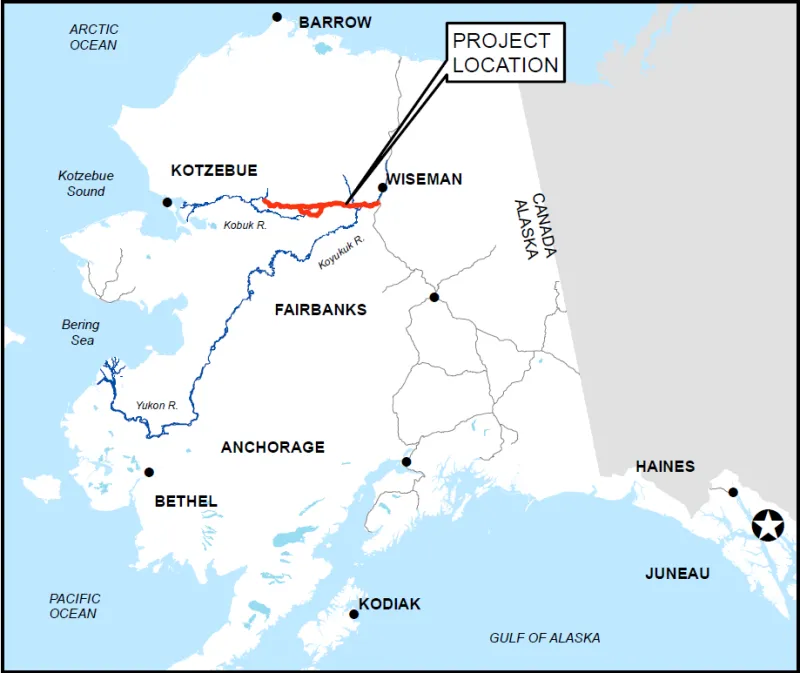
State agencies in major mining states—Nevada, Colorado, Montana, and Alaska among them—have layered additional requirements on top of federal standards. Some states now require operators to document lubricant selection criteria as part of their environmental management plans, effectively making product quality a compliance issue rather than simply a procurement decision.
The Investor and Insurance Dimension
Beyond direct regulatory fines, the environmental consequences of poor lubrication practices are increasingly visible to two audiences that mining operators cannot afford to ignore: insurers and investors.
Environmental liability insurers have grown more sophisticated in their underwriting of mining risks. Site assessments now routinely examine maintenance logs, lubricant specifications, and historical contamination records. Operations with documented lubricant-related incidents face higher premiums and, in some cases, coverage exclusions that leave them exposed to the full cost of future remediation events.
On the investment side, ESG (environmental, social, and governance) criteria have become standard screening tools for institutional capital. A mining company with a history of soil contamination events—regardless of their scale—faces reputational headwinds in capital markets that are increasingly attentive to environmental stewardship. What begins as a maintenance oversight can ultimately affect a company's cost of capital.
Premium Lubricants as a Contamination Risk Reduction Strategy
The response to this landscape is not complicated in principle, though it requires deliberate implementation. Lubricant programs built around high-quality, properly specified products reduce the frequency of the equipment failures that generate contamination events in the first place.
Synthetic and semi-synthetic lubricants with superior oxidative stability maintain their protective properties longer, reducing the window during which degraded lubricant increases wear and seal stress. Formulations developed specifically for the operating conditions of a given site—accounting for temperature range, load cycles, and equipment type—further reduce the probability of premature failure.
Beyond product selection, lubricant management practices matter. Condition monitoring programs that track oil quality through periodic sampling can identify degradation trends before they reach the failure threshold. Scheduled drain intervals calibrated to actual operating conditions, rather than calendar time alone, prevent both over-service and the extended use of degraded product.
At Konya Madeni Yağ, our industrial lubricant range is developed with these operational realities in mind. Our formulations are designed to maintain performance across extended service intervals while minimizing the leak and seal-degradation risks that contribute to environmental exposure. For US mining operations seeking to reduce their regulatory liability while improving equipment reliability, the starting point is a lubricant specification process that takes environmental performance as seriously as mechanical performance.
A Strategic Reframe for Procurement Decisions
The mining industry's traditional approach to lubricant procurement—treating it as a commodity purchase driven primarily by unit cost—is increasingly misaligned with the actual risk profile of the decision. When the potential costs of a contamination event are factored in, alongside insurance implications and investor scrutiny, the calculus changes substantially.
Operators who have adopted a total-cost-of-stewardship framework for their lubricant programs—one that accounts for environmental liability alongside equipment maintenance costs—consistently find that premium product selection delivers value well beyond what the maintenance department alone can quantify. That is a conversation worth having before the next EPA inspection, not after.